What Is Dialectical Behaviour Therapy (DBT)?
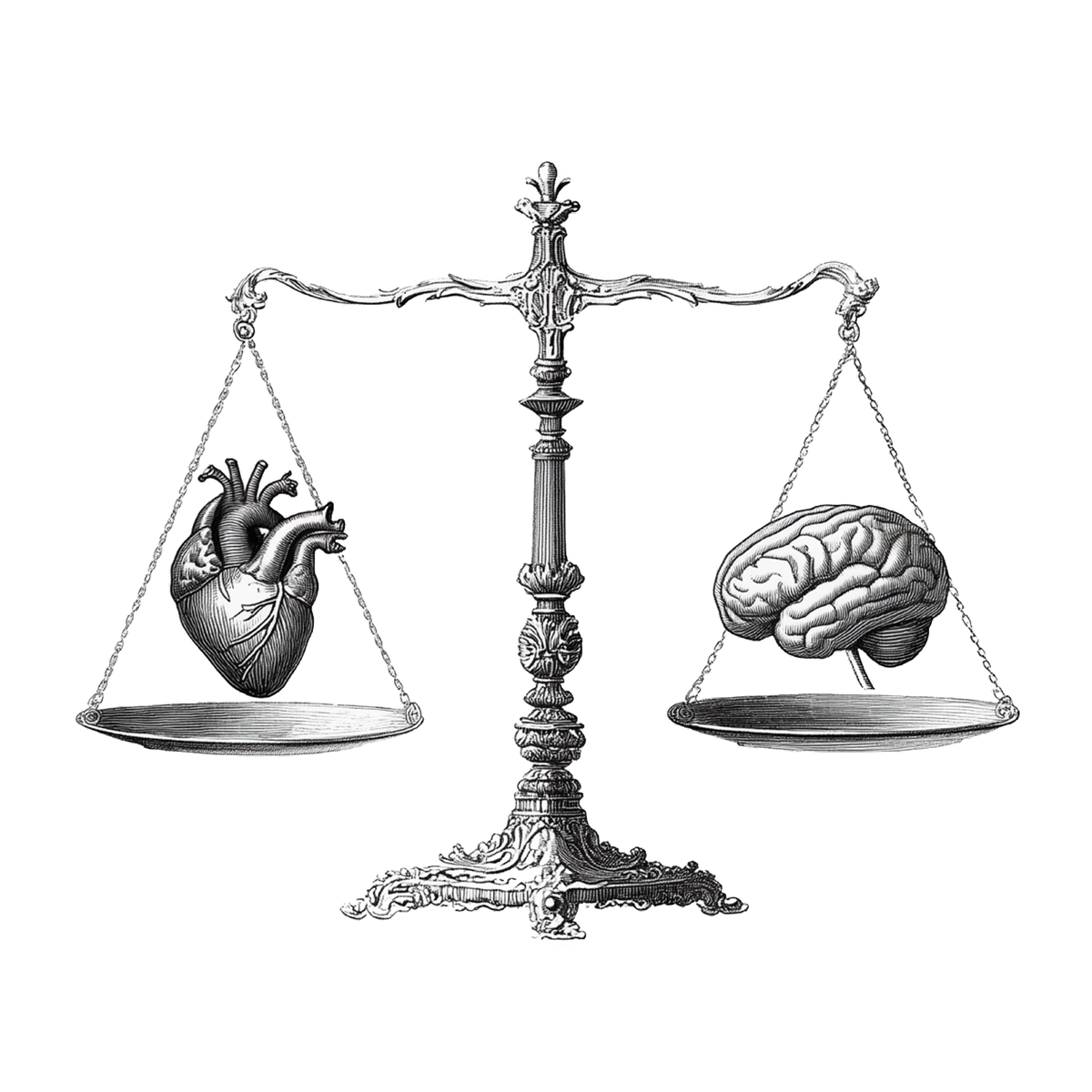
Dialectical Behaviour Therapy (DBT) is an evidence-based therapy that helps people who experience intense emotions, emotional overwhelm, or difficulty coping during times of stress. DBT focuses on building practical skills that support emotional regulation, distress tolerance, and healthier relationships.
Originally developed by Dr. Marsha M. Linehan, DBT is now widely used to support people experiencing anxiety, depression, trauma, emotional dysregulation, and relationship difficulties.
DBT is especially helpful when emotions feel too big, reactions feel out of control, or when you know what you should do, but can’t seem to do it in the moment.
How Does DBT Work?
DBT is built around a powerful idea:
Two things can be true at the same time.
You can accept yourself exactly as you are and work toward meaningful change.
This balance between acceptance and change is what makes DBT different from many other therapies.
DBT helps you:
- Understand your emotional responses
- Reduce impulsive or self-destructive behaviours
- Learn how to tolerate distress without making things worse
- Communicate your needs more clearly
- Build a life that feels worth living
Rather than focusing only on the past, DBT gives you skills you can use in everyday life.
The Four Core DBT Skills
DBT teaches four key skill areas that work together to support emotional stability and resilience:
1. Mindfulness
Learning how to stay present in the moment without judgement, so emotions feel less overwhelming and more manageable.
2. Distress Tolerance
Skills that help you get through crises, emotional spikes, or intense moments without reacting in ways you later regret.
3. Emotion Regulation
Understanding emotions, reducing emotional vulnerability, and learning how to respond rather than react.
4. Interpersonal Effectiveness
Learning how to express your needs, set boundaries, and maintain relationships while still respecting yourself.
These skills are practiced gradually and at your pace.
Who Can Benefit From DBT?
DBT can be helpful if you experience:
- Anxiety or panic
- Depression or mood swings
- Trauma or PTSD symptoms
- Emotional dysregulation
- Relationship or attachment difficulties
- Chronic stress or burnout
- Impulsive reactions or emotional shutdown
- Difficulty coping during conflict or overwhelm
You do not need a specific diagnosis to benefit from DBT. Many people find DBT helpful simply because emotions feel intense or exhausting.
DBT and Trauma-Informed Care
DBT is often used alongside trauma-informed approaches. Before working with deeper emotional material, DBT helps build stability, safety, and coping capacity.
For many clients, DBT:
- Reduces emotional reactivity
- Increases a sense of control
- Improves nervous system regulation
- Creates a foundation for deeper therapeutic work
Learn About DBT From the Founder
🎥 Dr. Marsha Linehan Explains DBT
You may find it helpful to hear directly from the creator of DBT:
Marsha Linehan – DBT Explained
https://www.youtube.com/watch?v=S4Ccpqh6giM
The Four Skills of DBT – Marsha Linehan
https://www.youtube.com/watch?v=k78I1q8h-vs
These videos provide a clear, compassionate explanation of how DBT works and why it is so effective for emotional regulation.
Is DBT Right for Me?
DBT may be a good fit if:
- Your emotions feel intense or hard to manage
- You feel stuck in patterns you want to change
- You’re tired of coping strategies that no longer work
- You want practical tools, not just insight
- You value a balance of compassion and accountability
DBT is always adapted to your individual needs. Therapy moves at your pace, with an emphasis on safety, consent, and collaboration.
Learn More About DBT
Trusted, evidence-based resources:
- DBT Linehan Institute https://behavioraltech.org
- DBT Works – What Is DBT? https://www.dbtworks.com
- American Psychological Association – DBT Overview https://div12.org/treatment/dialectical-behavior-therapy-for-borderline-personality-disorder/