What Is Internal Family Systems (IFS) Therapy?
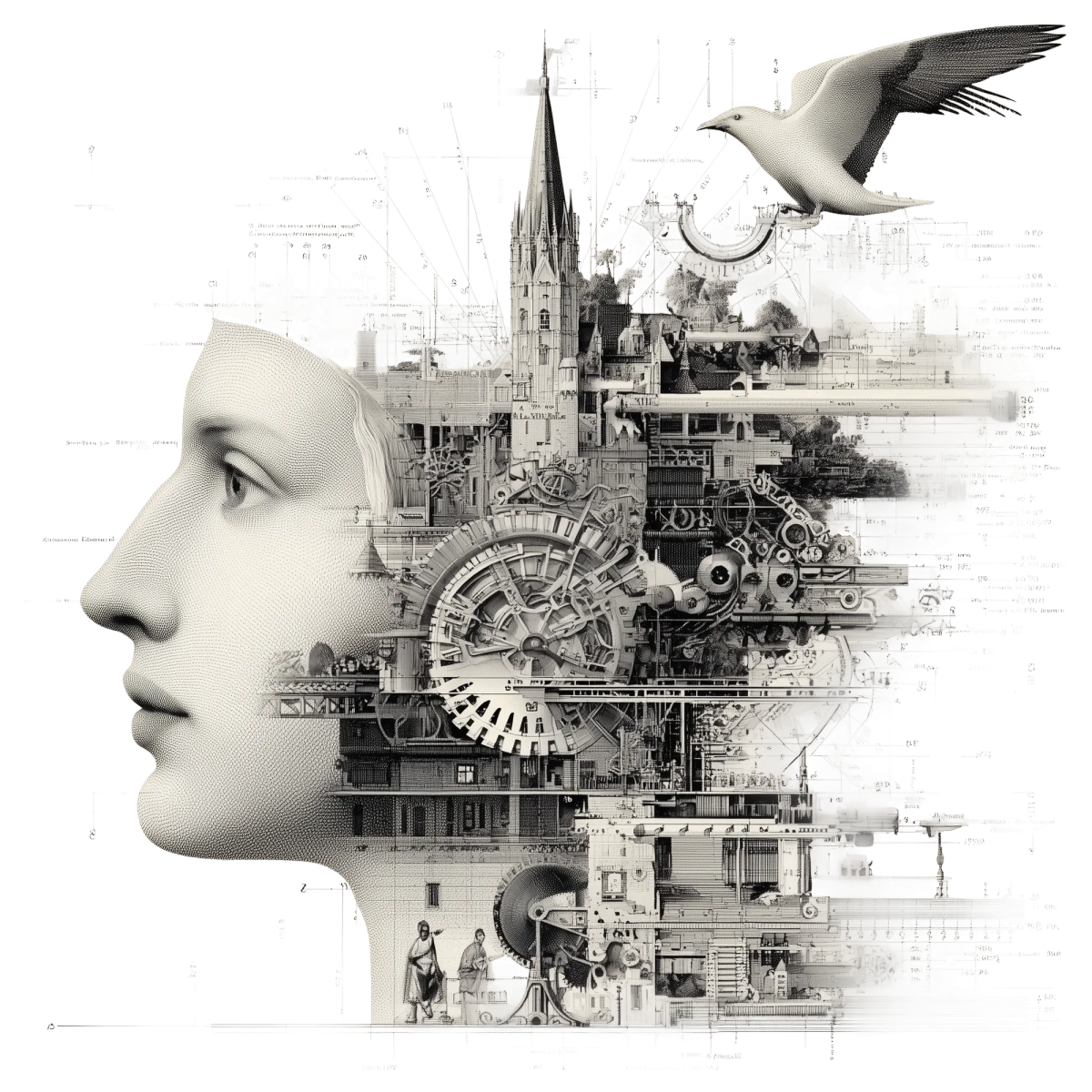
Internal Family Systems (IFS) is a gentle, evidence-based therapy that helps you understand and heal the different “parts” of yourself, especially the ones that feel reactive, protective, or wounded.
IFS was developed by Dr Richard Schwartz and is based on a simple but powerful idea:
We all have parts, and none of them are bad.
Rather than trying to eliminate symptoms, IFS helps you build a compassionate relationship with your inner world so healing can occur naturally and safely.
How Does IFS Work?
IFS views the mind as made up of different parts, each with its own role, feelings, and beliefs. These parts are often developed to protect you during difficult or overwhelming experiences.
In IFS, we work with three main types of parts:
- Protectors – parts that try to keep you safe (often through control, avoidance, perfectionism, anger, shutdown, or people-pleasing)
- Exiles – younger, vulnerable parts that carry pain, shame, fear, or unmet needs
- Self – your core state of calm, compassion, clarity, and confidence
The goal of IFS is not to get rid of parts, but to help them feel safe enough to relax, allowing your Self to lead.
What Makes IFS Different?
IFS is deeply respectful and non-judgemental. Instead of asking “What’s wrong with me?”, IFS invites the question:
“What happened to me, and how did my system adapt?”
IFS therapy:
- Does not pathologise your reactions
- Does not force reliving trauma
- Works at your nervous system’s pace
- Emphasises curiosity, compassion, and consent
- Helps reduce internal conflict and self-criticism
Many clients describe IFS as feeling relieving, clarifying, and deeply validating.
What Can IFS Help With?
IFS can be helpful for people experiencing:
- Trauma and complex trauma (C-PTSD)
- Anxiety or emotional overwhelm
- Depression or inner emptiness
- Harsh inner critics or shame
- Attachment and relationship difficulties
- People-pleasing or boundary challenges
- Emotional shutdown or dissociation
- Repeating patterns you understand intellectually but feel stuck in
IFS is especially powerful when parts feel conflicted, for example, one part wanting change while another feels afraid or resistant.
IFS and Trauma-Informed Therapy
IFS is widely recognised as a trauma-informed approach. It prioritises safety, choice, and pacing, making it suitable for clients who feel overwhelmed by more direct trauma processing.
IFS helps:
- Build internal safety before deeper work
- Reduce reactivity and emotional flooding
- Strengthen internal trust and self-leadership
- Gently unburden trauma without re-traumatisation
IFS can also be integrated alongside other therapies such as EMDR and DBT.
Learn About IFS From the Founder
🎥 Dr Richard Schwartz Explains IFS
Hearing directly from the creator of IFS can be grounding and reassuring:
What Is Internal Family Systems (IFS)? – Dr Richard Schwartz
https://www.youtube.com/watch?v=DdZZ7sTX840
IFS: There Are No Bad Parts – Richard Schwartz
https://www.youtube.com/watch?v=NmRfP-gAZBk
These videos offer a compassionate overview of how IFS works and why understanding our inner parts can be so healing.
Is IFS Right for Me?
IFS may be a good fit if:
- You feel conflicted or stuck internally
- You experience strong inner criticism or shame
- You want a gentle, non-pathologising approach
- You’re curious about your inner world
- You want deeper self-understanding without being overwhelmed
IFS always moves at your pace. You are never forced to access anything before your system is ready.
IFS Therapy in Perth & Online
IFS therapy can be offered in person or online, allowing flexibility and accessibility. Sessions are tailored to your goals, readiness, and nervous system capacity.
If IFS isn’t the right fit at this stage, we’ll explore other supportive approaches together.
Learn More About Internal Family Systems
Trusted, evidence-based resources:
- IFS Institute (Founded by Richard Schwartz) https://ifs-institute.com
- “No Bad Parts” – Dr Richard Schwartz https://ifs-institute.com/resources/books
- Psychology Today – Internal Family Systems Overview https://www.psychologytoday.com/au/therapy-types/internal-family-systems-therapy
A Gentle Note
IFS reminds us that every part of you was developed for a reason.
Healing happens not through force, but through understanding, compassion, and connection.